The Giant's Causeway: Nature's Masterpiece
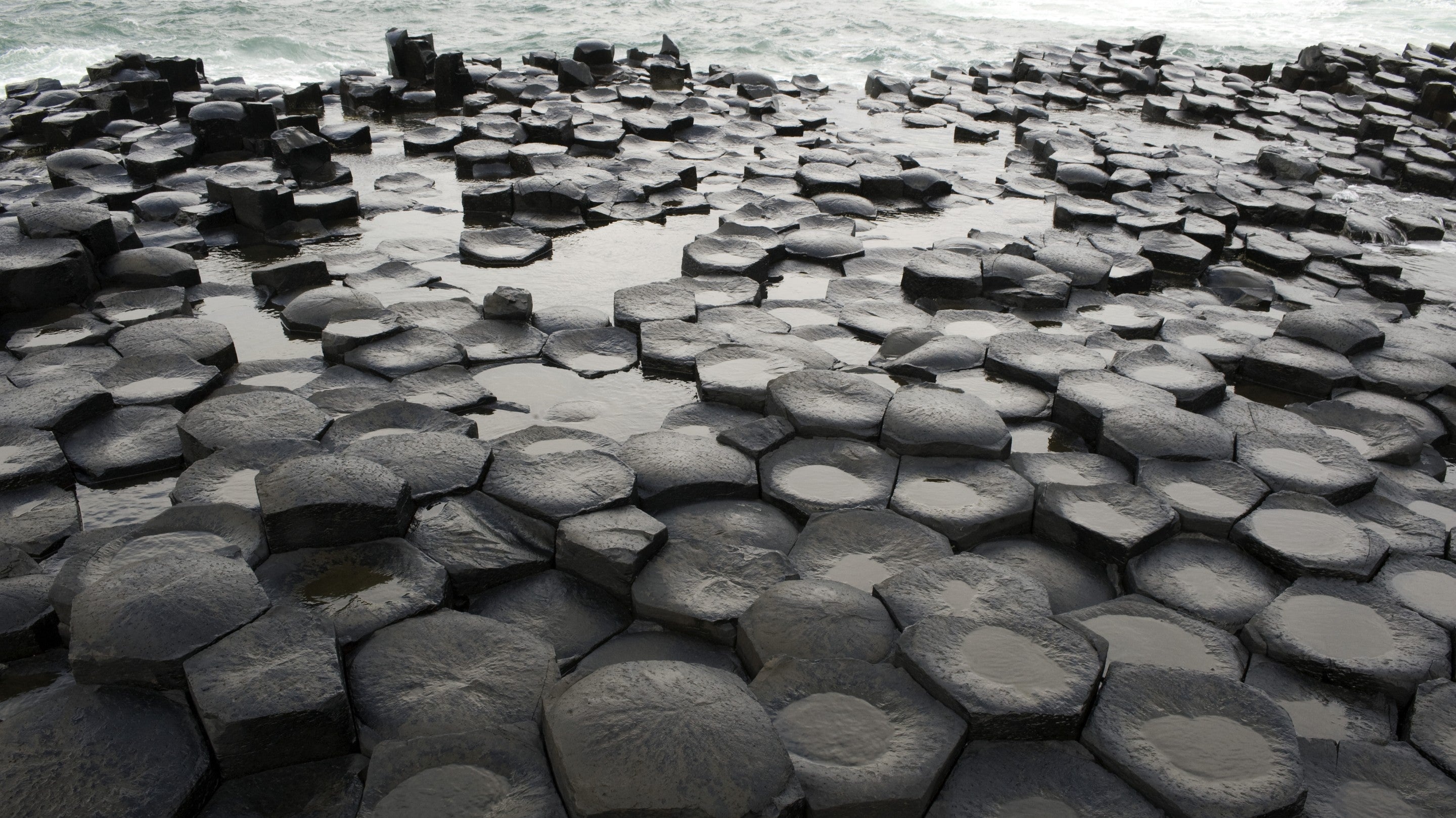
Nothing quite prepares you for your first sight of the Giant's Causeway. Some 40,000 basalt columns, mostly hexagonal, step down into the Atlantic like a giant's staircase to the sea. Formed by volcanic activity 60 million years ago—or built by the giant Finn McCool to reach Scotland, depending on who you ask—this is Northern Ireland's most iconic landscape.
As a local guide, I've visited hundreds of times and it never disappoints. The geology is extraordinary, the coastal setting dramatic, and on quieter days, the atmosphere is genuinely magical. This is why people travel from around the world to stand where ancient forces shaped the earth in ways that still defy easy comprehension.
The Science and the Legend
Geologists explain the columns as the result of cooling lava, contracting into geometric shapes as it solidified. The precision is remarkable—most columns are hexagonal, though some have five, seven, or eight sides. The tallest reach 12 meters; the solidified lava reaches 28 meters in places.
But legends tell another story. Finn McCool, Ireland's greatest giant, built the causeway to reach his Scottish rival Benandonner. When Benandonner crossed to Ireland and proved larger than expected, Finn's wife disguised her husband as a baby—convincing the Scot that if Irish babies were this size, Irish fathers must be enormous. Benandonner fled, destroying the causeway behind him. Scotland's Fingal's Cave, with identical columns, is all that remains of the other end.
Exploring the Causeway
The main causeway area—the cluster of columns most photographed—is about a 20-minute walk from the visitor centre. But there's much more: the Organ (a wall of vertical columns resembling pipes), the Giant's Boot (a boulder shaped exactly as the name suggests), the Chimney Stacks, and numerous other formations with evocative names.
Above the columns, cliff paths offer spectacular views along the Antrim coast. The full coastal walk to Dunseverick Castle (9 miles) ranks among Ireland's finest, though even shorter sections reward exploration. Seabirds wheel overhead, waves crash below, and on clear days Scotland's Mull of Kintyre is clearly visible.
Practical Information
The National Trust manages the site. Access to the stones is free, though parking and the excellent visitor centre require tickets. The centre—built into the landscape—offers audio-visual presentations and exhibitions that genuinely enhance understanding. Booking ahead in summer is wise.
Things To Do in Giant's Causeway
Walk the Stones
Explore 40,000 hexagonal basalt columns
Visitor Centre
Learn geology and legend through exhibits
Cliff Walk
Spectacular coastal path with panoramic views
Photography
Capture Northern Ireland's most iconic views
The Organ
See dramatic vertical column formations
Shepherd's Steps
Climb to clifftop views over the causeway
Visit Giant's Causeway With Us
Experience Giant's Causeway with a knowledgeable local guide. Private tours tailored to your interests.
Contact Us Directly
Quick Facts
- Population
- N/A - Natural monument
- Founded
- Formed 60 million years ago
- Famous For
- UNESCO World Heritage, Finn McCool legend
- Must See
- Main causeway columns
Tours Visiting Giant's Causeway
Experience Giant's Causeway with our expert-guided private tours
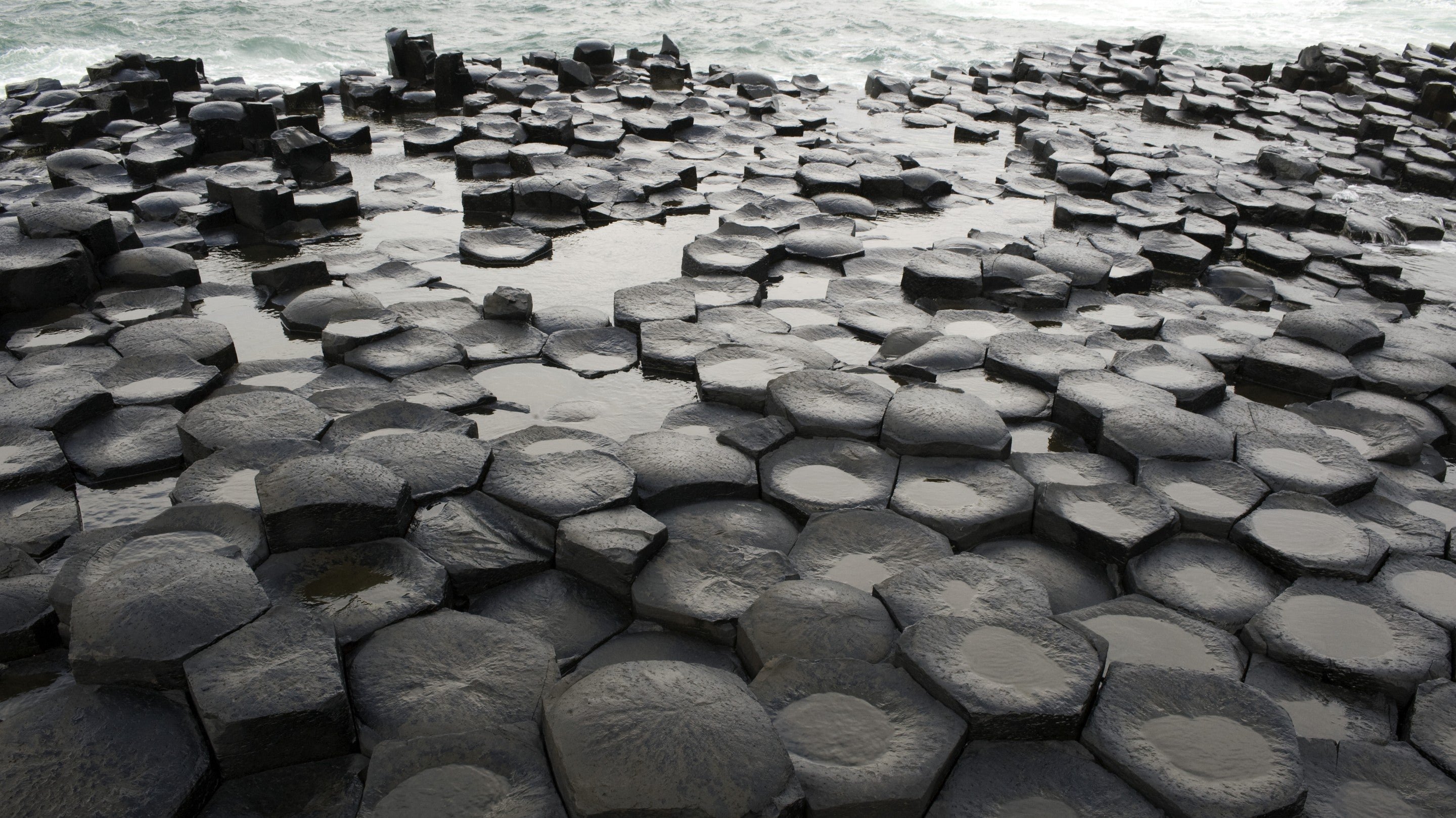
Giant's Causeway Classic
Our signature full-day tour along the stunning Causeway Coastal Route featuring the UNESCO World Heritage Giant's Causeway.
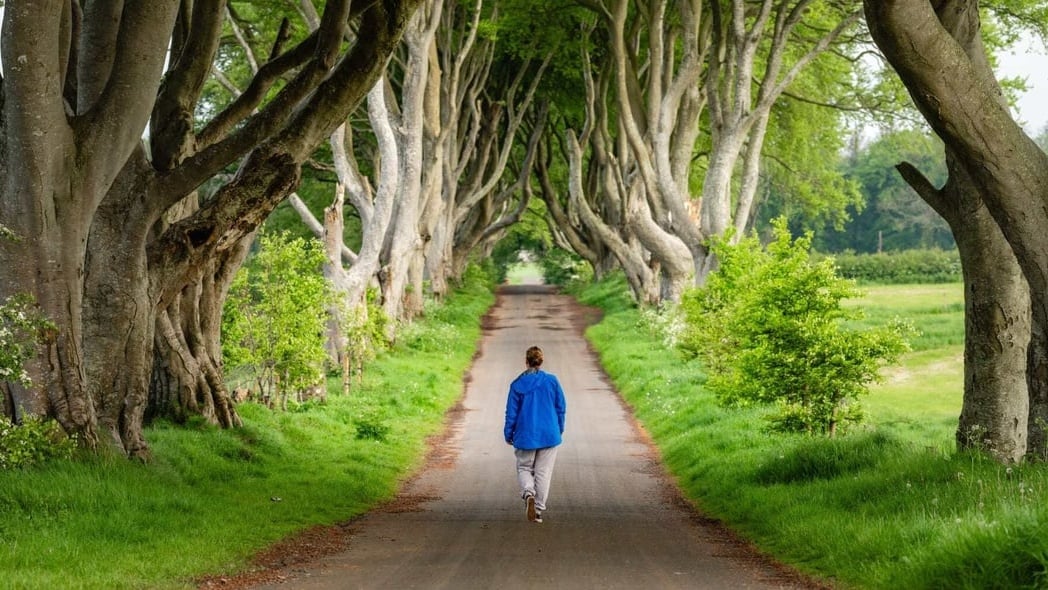
Game of Thrones Experience
Visit the real-world filming locations of Westeros across Northern Ireland.
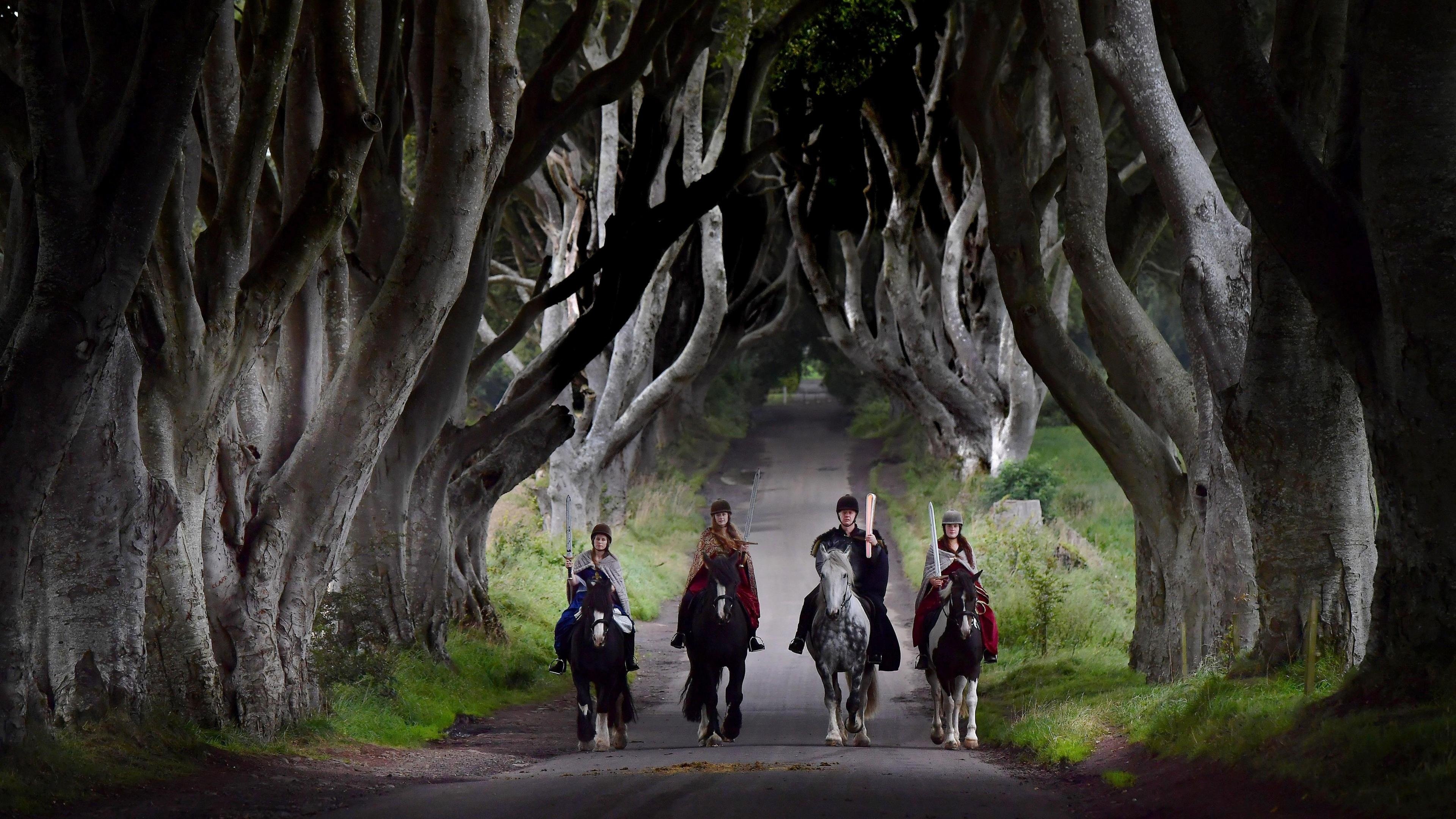
Dark Hedges & Coastal Route
A scenic journey along the Causeway Coastal Route featuring the Dark Hedges.
Frequently Asked Questions About Giant's Causeway
Everything you need to know before visiting
Explore Nearby Locations
Discover more incredible destinations in Northern Ireland
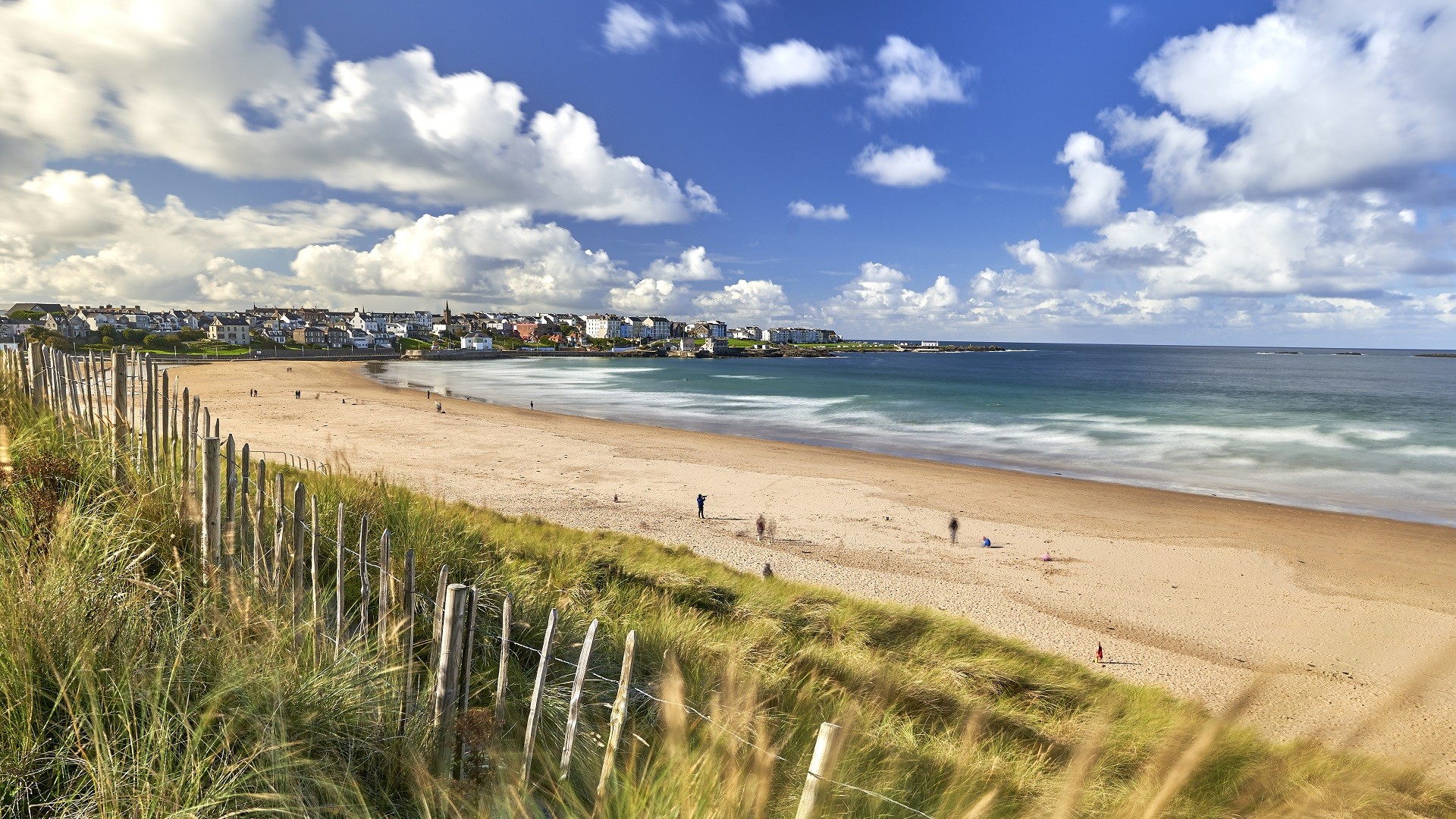
Portrush
Northern Ireland's favourite seaside resort - championship golf, golden beaches, traditional amusements, and the gateway to the Giant's Causeway
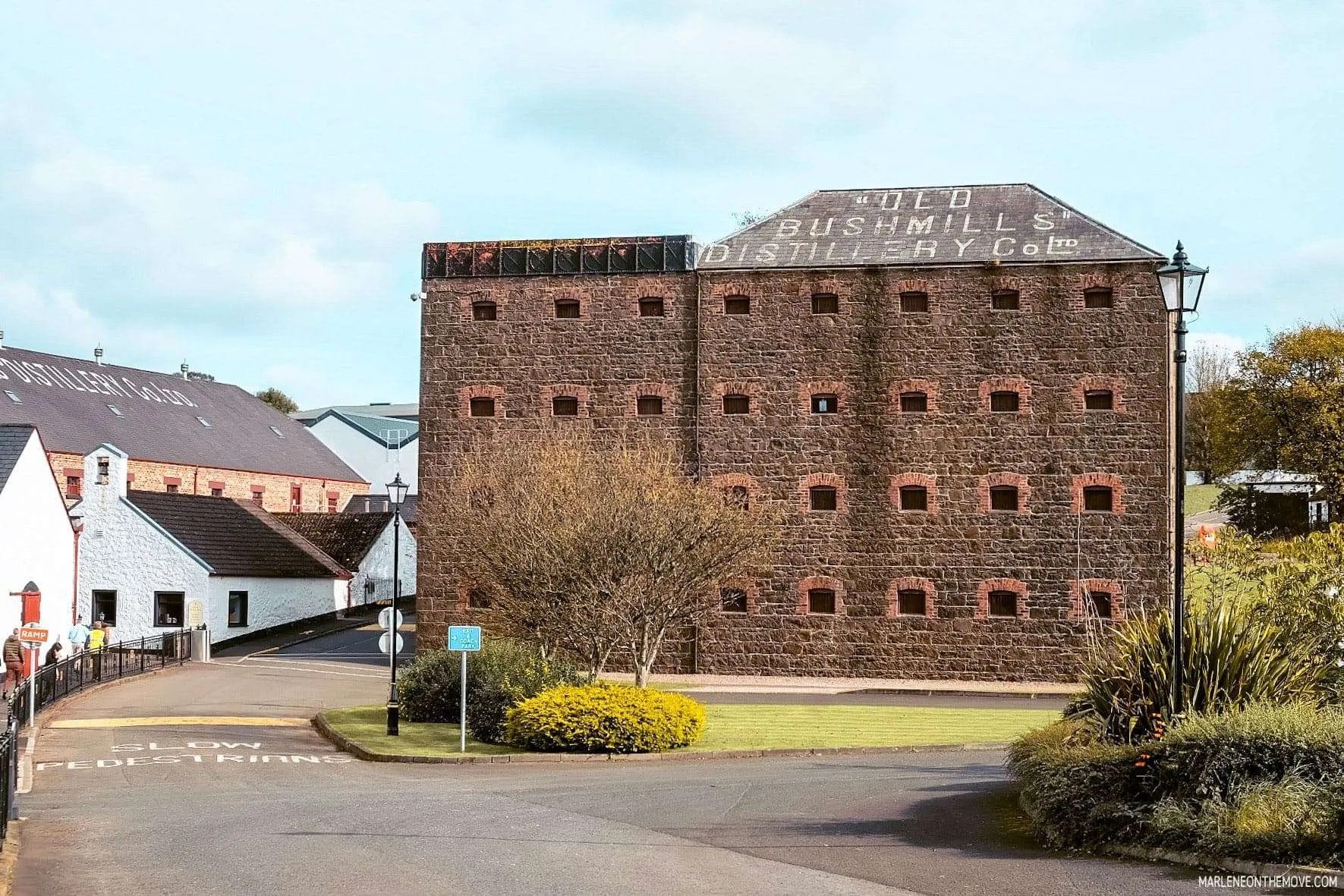
Bushmills
Home to the world's oldest licensed whiskey distillery - a charming village where centuries of distilling tradition meets warm Irish hospitality
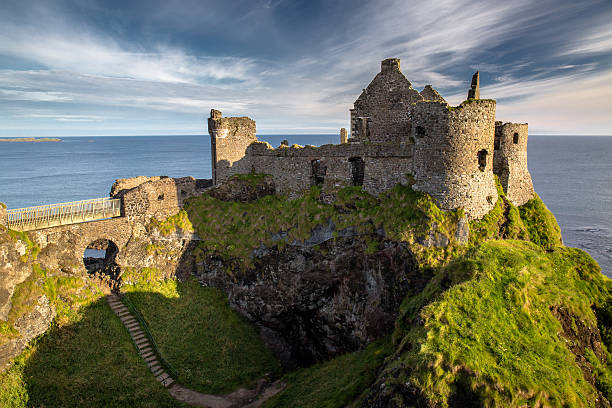
Dunluce Castle
Northern Ireland's most dramatically situated castle - medieval ruins perched precariously on wave-battered basalt cliffs high above the Atlantic
Carrick-a-Rede
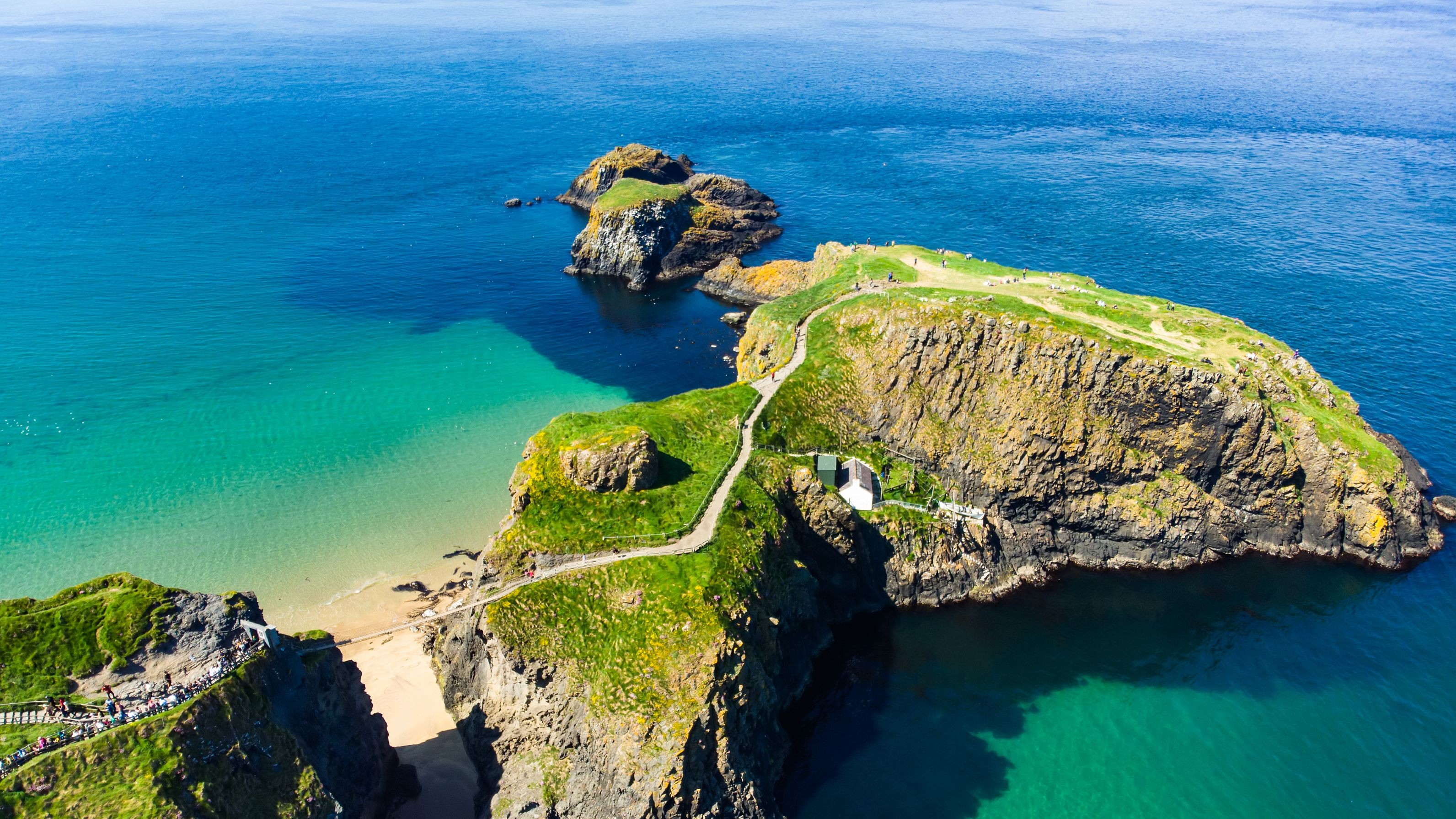
Cross a swaying rope bridge 30 meters above the Atlantic - one of Northern Ireland's most thrilling and iconic visitor experiences