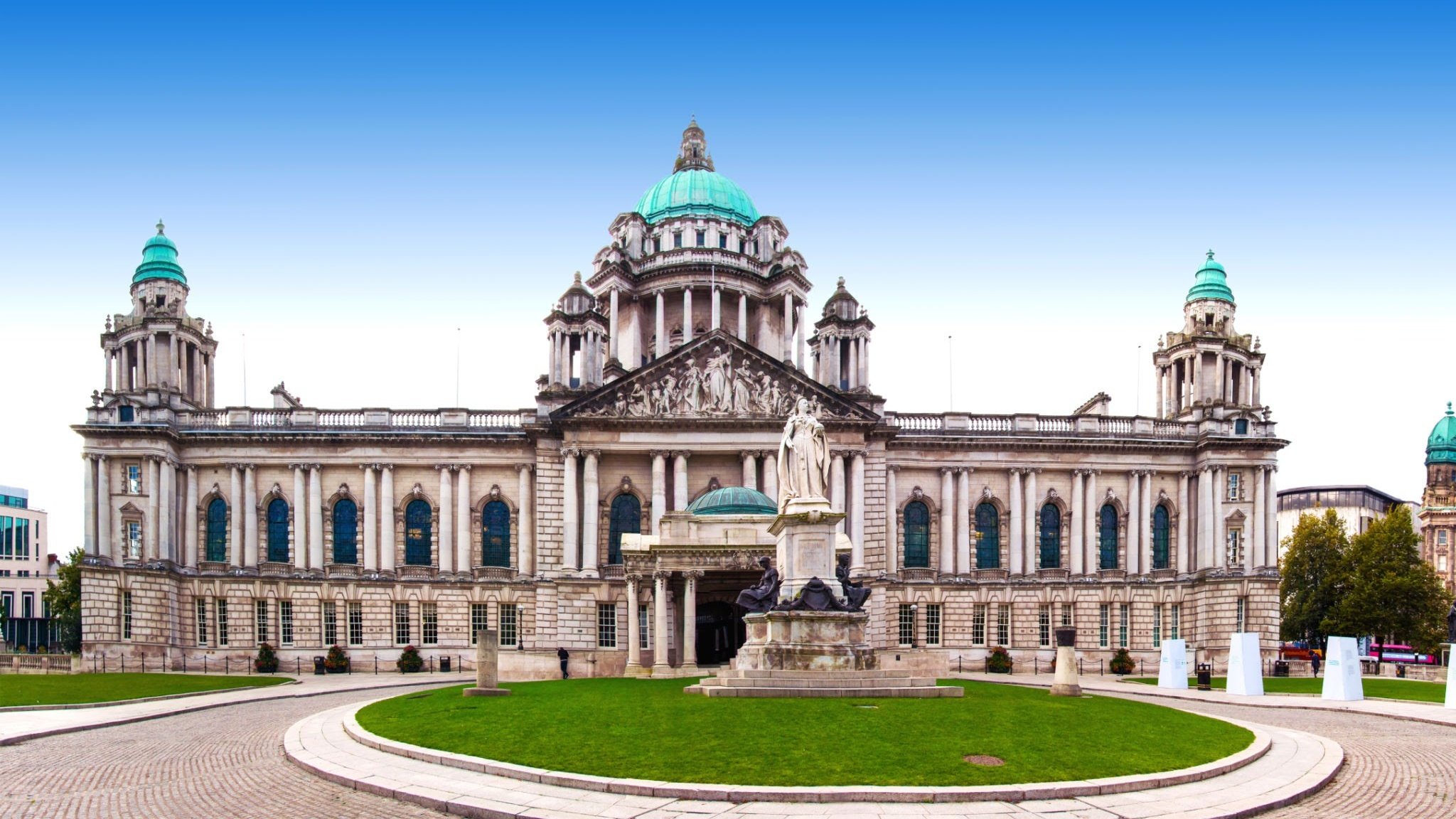
Belfast City
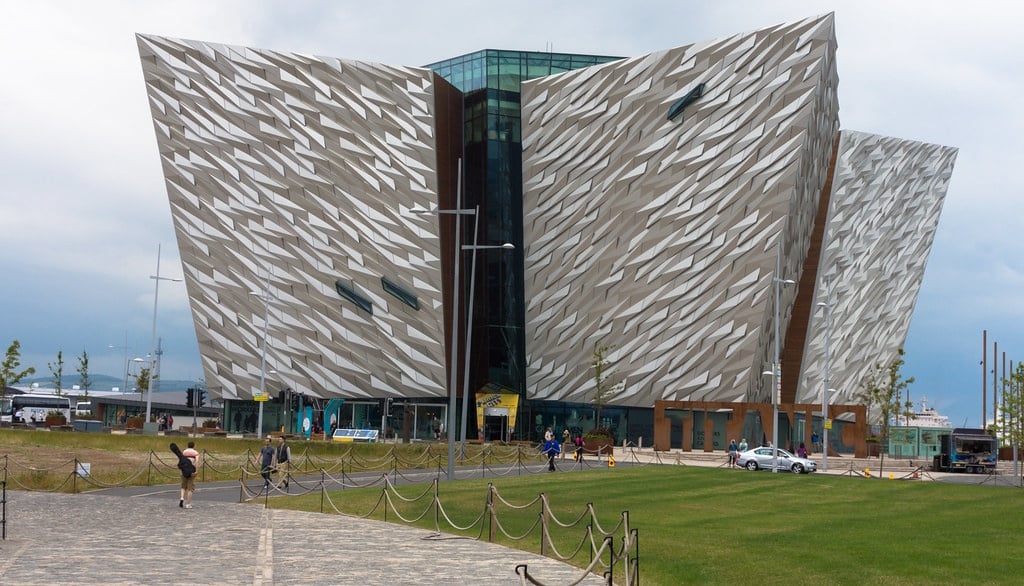
Belfast defies expectations. This is a city that many visitors approach cautiously, carrying mental images of news footage from the Troubles, only to discover a vibrant, welcoming, creative capital that has transformed itself into one of Europe's most exciting urban destinations. Northern Ireland's capital combines Victorian industrial grandeur with contemporary creativity, political history with cultural renaissance, and maritime heritage with modern confidence. From the world-class Titanic Belfast museum to the powerful political murals, from Victorian pubs to contemporary restaurants, from the Cathedral Quarter's artistic energy to the peace walls' sobering history, Belfast tells stories that are complex, honest, and ultimately hopeful. This is a city that was once defined by conflict but has emerged as a symbol of transformation – a place where history is acknowledged rather than hidden, where different communities are learning to share space, and where a new generation is writing a different story. Belfast rewards visitors who look beyond the headlines to discover a city with character, warmth, and a future as compelling as its past.
Significance
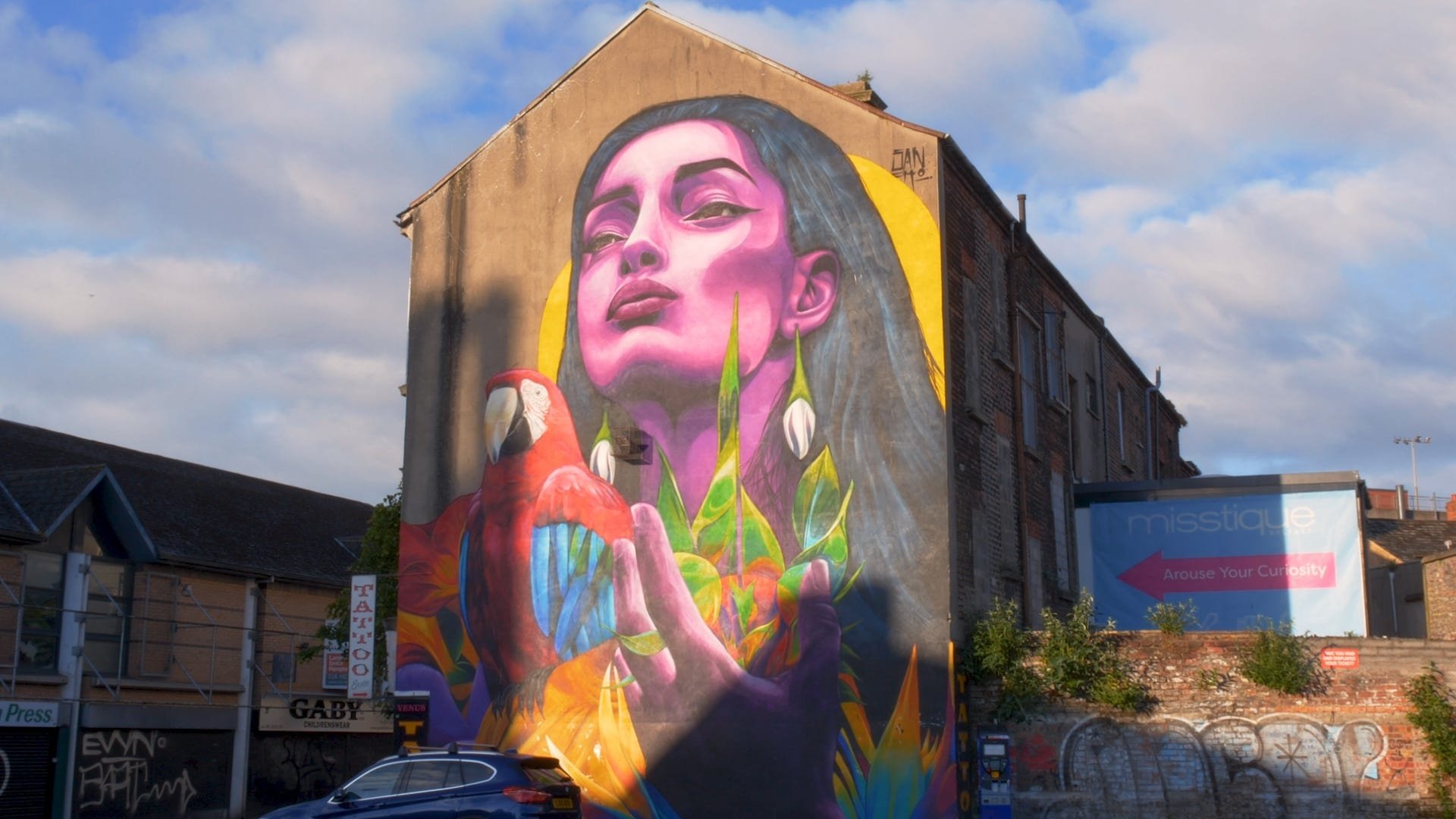
Belfast's significance extends across multiple dimensions – industrial, political, cultural, and symbolic. During the Victorian era, Belfast was among the world's great industrial powerhouses. The city's shipyards built the Titanic – a symbol of both human ambition and the city's engineering prowess. The linen industry earned Belfast the nickname 'Linenopolis,' while rope-making, engineering, and tobacco processing created wealth that built the grand Victorian buildings still dominating the city center. The Troubles (roughly 1968-1998) redefined Belfast in the global consciousness. This period of sectarian conflict, primarily between Republican/Nationalist (mainly Catholic) and Loyalist/Unionist (mainly Protestant) communities, resulted in over 3,500 deaths and left physical and psychological scars that remain visible today. The Peace Walls – physical barriers separating communities – still stand in some areas. Political murals covering gable ends tell competing narratives of the same history. Understanding this period is essential to understanding modern Belfast, and the city approaches this history with remarkable honesty through tours, museums, and public dialogue. The 1998 Good Friday Agreement marked a turning point. Belfast has spent the subsequent 25+ years rebuilding, regenerating, and reimagining itself. Massive investment has transformed the waterfront, the Cathedral Quarter, and numerous neighborhoods. The £97 million Titanic Belfast museum (opened 2012) symbolizes the city's confidence in redefining itself through its industrial heritage rather than its conflict. The Cathedral Quarter has become a creative hub with street art, independent galleries, live music venues, and craft beer bars. The city now attracts international conferences, cruise ships, and tourists who come for culture rather than conflict tourism. Belfast's transformation represents something broader – proof that cities can change, that peace processes can work (however imperfectly), and that communities can move forward while still acknowledging the past. The city's ongoing peace process, with all its challenges and achievements, offers lessons relevant far beyond Northern Ireland.
Things to Do
Best Time to Visit
Belfast is a year-round city destination. Summer (June-August) offers the warmest weather, longest days, and numerous festivals including Cathedral Quarter Arts Festival and Belfast Pride. Spring (April-May) and autumn (September-October) provide pleasant weather with fewer crowds. Winter (November-March) brings Christmas markets, shorter days, but authentic local atmosphere and lower accommodation costs. The city's indoor attractions make it viable in any weather.
Entry Fee
Many attractions are free including City Hall, Botanic Gardens, Ulster Museum, Peace Walls, and political murals. Paid attractions: Titanic Belfast (£21-27), Crumlin Road Gaol (£15), SS Nomadic (£7), Black Cab tours (£35-45 per person).
Accessibility
Belfast city center is fully accessible with modern paving, dropped curbs, and accessible public transport. Major attractions including Titanic Belfast, City Hall, and museums are fully accessible. Black Cab political tours can accommodate wheelchair users with advance notice. Some older pubs and buildings have limited accessibility.
Frequently Asked Questions
Common questions about visiting Belfast City
How do I get to Belfast City from Belfast?
The journey from Belfast takes approximately In the city - Belfast is the starting point for most Northern Ireland tours. The most convenient and comfortable way is with a private tour, which allows you to enjoy the scenery without worrying about driving, parking, or navigation. Our experienced guides know the best routes and can make interesting stops along the way. If driving yourself, the roads are well-maintained, but narrow and winding in places. Public transportation options are limited for this destination.
How long should I plan to spend at Belfast City?
We recommend allowing 2-3 hours to fully experience Belfast City and its surroundings. This gives you time to explore at a leisurely pace, take photos, visit any facilities, and truly soak in the atmosphere. If you're particularly interested in photography or want to explore every detail, you might want even more time. As part of our tours, we're flexible and can adjust the duration based on your interests and energy levels.
Is Belfast City suitable for children and families?
Yes! Belfast City is a wonderful destination for families with children of all ages. The natural beauty and dramatic landscapes capture children's imaginations, and there's plenty of space for them to explore safely. We recommend sturdy footwear for young children as some areas may have uneven terrain. Our guides are experienced at engaging children with age-appropriate stories and activities, making it both educational and fun for the whole family.
Are there facilities like restrooms and cafes at Belfast City?
Basic facilities are available, including restrooms. On our tours, we always plan strategic stops at locations with good facilities, and we know all the best local cafes and restaurants in the area. If you have specific needs or dietary requirements, just let us know and we'll ensure we stop at appropriate places.
What should I wear and bring when visiting?
Northern Ireland weather can change quickly, so layering is key. Wear comfortable, sturdy walking shoes with good grip - the terrain can be uneven and potentially slippery, especially after rain. Bring a waterproof jacket even if it looks sunny (trust us!), sunscreen, sunglasses, and a camera or smartphone. In summer, a hat is useful. For winter visits, warm clothing and gloves are essential as coastal areas can be windy. We provide umbrellas and bottled water on all our tours.
Can I visit Belfast City in bad weather?
Absolutely! In fact, many photographers prefer the dramatic atmosphere that moody weather brings. Belfast City is stunning in all weather conditions - mist and clouds add an atmospheric quality, while sunny days offer brilliant colors and clear views. We provide umbrellas and recommendations for weather-appropriate clothing. The only time we might suggest rescheduling is in cases of severe weather warnings (rare) for safety reasons. Don't let a little rain deter you - it's part of the Irish experience!
Is Belfast City accessible for people with mobility issues?
Belfast city center is fully accessible with modern paving, dropped curbs, and accessible public transport. Major attractions including Titanic Belfast, City Hall, and museums are fully accessible. Black Cab political tours can accommodate wheelchair users with advance notice. Some older pubs and buildings have limited accessibility. Let us know about any mobility requirements when booking, and we'll plan the best route to ensure you can enjoy Belfast City comfortably. Our guides know alternative viewpoints and can recommend the most accessible options. Wheelchairs can be accommodated in our vehicles if they're collapsible.
Can I combine Belfast City with other attractions in one day?
Yes! Most of our full-day tours include Belfast City along with several other attractions along the route. This makes efficient use of travel time and allows you to experience multiple highlights of Northern Ireland in one day. Popular combinations include other coastal attractions, historical sites, or filming locations. On a private tour, we can customize the itinerary to include your must-see destinations while ensuring you don't feel rushed.
What makes Belfast City special compared to other attractions?
Belfast's significance extends across multiple dimensions – industrial, political, cultural, and symbolic. During the Victorian era, Belfast was among the world's great industrial powerhouses. The city's shipyards built the Titanic – a symbol of both human ambition and the city's engineering prowess... The dramatic landscapes, rich history, and powerful atmosphere make it unforgettable. Our guides share local stories and legends that bring the location to life in ways you won't find in guidebooks. It's not just about seeing the site - it's about experiencing and understanding what makes it significant to Northern Ireland's identity.
What's the best time of day to visit Belfast City?
Belfast is a year-round city destination. Summer (June-August) offers the warmest weather, longest days, and numerous festivals including Cathedral Quarter Arts Festival and Belfast Pride. Spring (April-May) and autumn (September-October) provide pleasant weather with fewer crowds. Winter (November-March) brings Christmas markets, shorter days, but authentic local atmosphere and lower accommodation costs. The city's indoor attractions make it viable in any weather. Early morning visits offer quieter experiences with fewer crowds and softer light for photography. Midday provides the best visibility and warmest temperatures. Late afternoon and evening (especially in summer) offer golden hour lighting that's spectacular for photos. On our tours, we time visits strategically to avoid peak crowds when possible and capture the best lighting for memorable photos.
Ready to visit Belfast City?
Book Your Tour